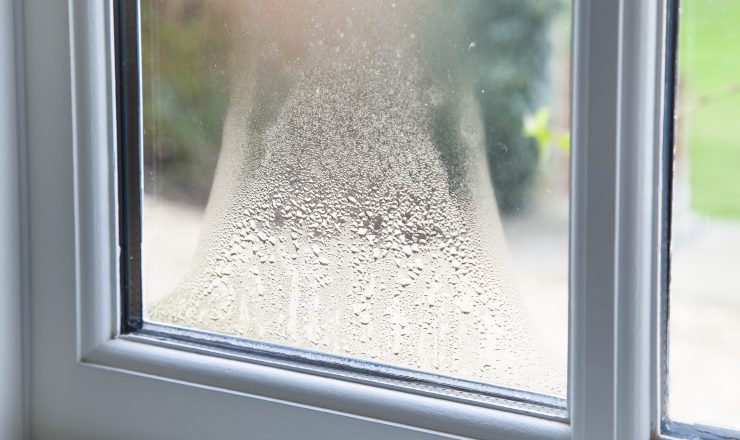
Understanding Misty Glass Repair: Everything You Need to Know
Misty glass is a typical problem faced by homeowners and organizations alike, often arising from condensation trapped between two panes of double-glazed windows. This not just obstructs the view but can also lead to significant energy inefficiencies. Resolving misty glass concerns immediately is important to preserving visual appeals and energy efficiency. This article looks into the causes, implications, and approaches of misty glass repair, along with often asked concerns about the process.
What Causes Misty Glass?
Misty glass generally arises from a failure in the seal in between the 2 panes of insulated glass. Below are some common factors for this incident:
- Seal Failure: Over time, seals can weaken due to natural aging, triggering moisture to go into the insulation layer in between the panes.
- Temperature level Changes: Frequent fluctuations in temperature level can exert pressure on seals, resulting in failures.
- Poor Installation: Improper setup can increase the possibility of seal failure.
- Ecological Factors: Issues like high humidity or exposure to salted air near seaside locations can speed up seal deterioration.
Implications of Misty Glass
Misty glass isn't simply an aesthetic issue; it can have a number of ramifications, including:
- Reduced Energy Efficiency: Insulated glass units (IGUs) serve to keep homes warm in the winter season and cool in the summer. When seals stop working and moisture goes into, thermal efficiency is jeopardized.
- Mold Growth: The trapped moisture can end up being a breeding ground for mold, positioning health dangers to residents.
- Reduced Property Value: Persistent problems with misty glass can decrease the appeal of a residential or commercial property, causing a lower market price.
- Possible for Window Damage: If left unaddressed, the moisture can damage window frames or the glass itself, resulting in more expensive repairs or replacements.
Techniques for Repairing Misty Glass
Repairing misty glass can be approached in a number of ways, depending on the intensity of the issue and the kind of windows involved. Below is a summary of the most typical repair methods.
| Repair Method | Description | Pros | Cons |
|---|---|---|---|
| Defogging | A process that includes drilling small holes into the glass to let moisture escape. | Less costly; maintains existing glass | May not attend to underlying seal failure |
| Replacing the IGU | Replacing the entire insulated glass unit while keeping the original frame. | Restores full performance | More pricey; needs knowledgeable labor |
| Sealant Repairs | Applying sealants to bring back the seal on the window to avoid additional condensation. | Quick and cost-effective | Not a long-term solution; may require future repairs |
| Window Replacement | Changing the whole window unit, consisting of frame and glass. | Permanent option; totally addresses the issue | Most costly; includes considerable labor and time |
Often Asked Questions (FAQs)
1. How can repairmywindowsanddoors.co.uk tell if my windows are misty?
Misty windows typically appear foggy or hazy, particularly when seen from inside the home. If the condensation is caught between the panes, it is generally indicative of seal failure.
2. Can I repair misty glass myself?
While some property owners choose DIY solutions like seal repairs, it's normally recommended to speak with a professional. They can evaluate the level of the damage and offer the most efficient solutions.
3. For how long can I expect repaired windows to last?
The lifespan of fixed windows depends on the method used. For circumstances, defogging might supply a short-term fix, while replacing the IGU or the entire window provides a more lasting service.
4. Is it worth repairing misty glass?
Yes, repairing misty glass is frequently worth it, as it can boost energy efficiency, avoid mold development, and improve general aesthetic appeals, all adding to residential or commercial property worth retention.
5. How much does misty glass repair cost?
Expenses can vary widely based on the repair method chosen, the size of the windows, and labor expenses in your location. Normally, defogging is the least expensive choice, while complete window replacement tends to be the most costly.
Steps to Prevent Misty Glass
Taking preventive measures can help homeowners avoid the hassle of misty glass in the future. Here are some recommendations:
- Regular Inspections: Routinely inspect your windows for indications of wear and tear or condensation.
- Quality Installation: Ensure that windows are installed by qualified experts who can guarantee the quality of their work.
- Select Quality Materials: Opt for premium, energy-efficient windows designed to withstand temperature fluctuations and seal failures.
- Keep Humidity Levels: Use dehumidifiers to control indoor humidity, specifically in areas vulnerable to excess moisture.
- Invest in Effective Ventilation: Ensure your home is well-ventilated to reduce moisture accumulation.
Misty glass is a concern that can cause different problems, from decreased energy performance to prospective health threats. Understanding the causes and approaches for repair is important for homeowners and companies aiming to alleviate the impact of this typical concern. Whether it's through defogging, replacing IGUs, or choosing total window replacement, resolving misty glass without delay can substantially improve comfort and residential or commercial property value. By adopting preventive procedures, homeowner can preserve tidy, effective windows for years to come.